
- Hospitality Bookkeeping Services UK
Compliant Specialist Hospitality Bookkeeping
Keep your hospitality bookkeeping accurate and built around the way your business actually operates. We manage sales, EPOS takings, bank transactions, supplier invoices, delivery platforms, VAT records and hospitality costs for restaurants, cafés, hotels, takeaways, catering businesses and food trucks.
- Fixed Monthly Fees
- Dedicated Client Manager
- Hospitality Specialists
- Cloud-Based Accounting
- Daily & Weekly Reporting
- HMRC Compliance
- Tailored for Hospitality
- Monthly Books Reviewed
- 100% Records Reconciled
- Multi-Site Ready
- 24/7 Sales Visibility
Certified Partners With Major Accounting & Hospitality Tech



The Bookkeeping Pressures Behind
Hospitality businesses generate transactions across EPOS systems, card terminals, cash takings, delivery platforms and suppliers every day. When these records are not reconciled properly, discrepancies can affect your VAT, gross margins, financial reporting and profitability.

Daily Takings That Do Not Match
Reconcile cash, card and EPOS takings with actual bank settlements.
EPOS & Payment Reconciliation
Match EPOS sales, card payments and bank transactions accurately.
Delivery Platform Payouts
Track commissions, fees and adjustments to record true delivery revenue.
Supplier Invoices & Food Costs
Keep supplier invoices, food costs and operating expenses under control.
Stock, Waste & Margins
Track stock, wastage and cost of sales to protect gross margins.
VAT & Hospitality Records
Keep dine-in, takeaway, food and delivery records VAT-ready.
Hospitality Bookkeeping Services
Our bookkeeping for hospitality businesses are built around the daily financial activity of your business. We keep transactions organised, reconcile the numbers behind your sales and maintain accurate records that support VAT, payroll, accounts and management reporting.
Hospitality Bookkeeping
Keep your financial records accurate and up to date with specialist hospitality bookkeeping covering daily transactions, bank records, suppliers and sales channels.
- Bank reconciliation
- Supplier and expense records
- EPOS reconciliation
- Delivery platform reconciliation
- Month-end bookkeeping
EPOS & Sales Reconciliation
Make sure your EPOS takings agree with cash, card settlements and your accounting records.
- Daily takings
- EPOS reports
- Cash reconciliation
- Card settlements
- Sales reconciliation
- Refunds and voids
Supplier & Purchase Bookkeeping
Keep control over supplier invoices and purchases so you can see what your hospitality business is actually spending.
- Supplier invoices
- Purchase recording
- Food and drink purchases
- Supplier statements
- Operating expenses
- Purchase reconciliation
Food Cost & Stock Records
Track the costs behind your menu and understand how purchases, stock movements and wastage affect your gross profit.
- Food costs
- Cost of goods sold
- Stock records
- Stock movements
- Wastage
- Cost analysis
VAT & Hospitality Records
Maintain accurate financial records to support your VAT returns and the different VAT treatment that can apply across hospitality sales.
- VAT records
- VAT reconciliation
- Dine-in sales
- Takeaway sales
- Food and drink
- Delivery sales
Labour & Payroll Records
Keep payroll-related financial information organised so you can monitor labour costs alongside your other hospitality expenses.
- Payroll records
- PAYE
- National Insurance
- Workplace pensions
- Labour costs
- Payroll journals
Where Hospitality Bookkeeping
Good bookkeeping should do more than keep your accountant supplied with figures. It should give you a clearer view of sales, costs, margins and financial performance while there is still time to act.
Know Where Your Sales Are Coming From
Specialist: Your revenue may come from dine-in, takeaway, delivery, events, catering and other channels.
Benefit: Reconciled sales information helps you understand your different revenue streams and identify discrepancies between your EPOS, payment providers and bank.
Understand Your True Food Costs
Specialist: Supplier prices, stock movements, portion sizes and wastage can all affect what it actually costs to sell your food.
Benefit: Better food cost and stock records give you a more reliable view of cost of sales and gross margins.
Keep Delivery Revenue Accurate
Specialist: Delivery platforms do not always pay the same amount shown in your sales reports because commissions, refunds and fees can be deducted before settlement.
Benefit: Reconcile gross sales against platform payouts so your bookkeeping reflects both your revenue and the costs of using delivery platforms.
Protect Your Gross Margins
Specialist: A change in food prices or labour costs can quickly affect profitability in a hospitality business.
Benefit: Regular bookkeeping gives you clearer gross margin, food cost and labour cost information so problems can be identified earlier.
Keep VAT Records Ready
Specialist: Hospitality businesses can have different VAT treatments across their sales, making accurate transaction records particularly important.
Benefit: Better bookkeeping creates more reliable VAT records and makes VAT reporting easier to review and prepare.
Make Better Financial Decisions
Specialist: If your books are months behind, your financial information cannot help you manage the business today.
Benefit: Up-to-date bookkeeping gives you useful information for cost control, profitability analysis, budgeting and financial performance.
- Tailored Packages
Who Is It For?
Our hospitality bookkeeping services are designed for businesses that need more than basic transaction entry.
You run a restaurant, café, hotel, takeaway, catering business or food truck
You process a high volume of daily sales through EPOS, card and cash
You receive payments from Deliveroo, Uber Eats, Just Eat or other delivery platforms
You want better visibility of food costs, supplier costs and labour costs
You need accurate records for VAT, payroll and annual accounts
You want reliable financial information without waiting until year-end
From Daily Transactions to Financial Clarity
Your bookkeeping should fit the way your hospitality business operates. We start with your existing systems and build a process that keeps your records accurate and useful throughout the year.
Tell Us About Your Business
We start by understanding your business, sales channels, EPOS system, payment providers, delivery platforms, suppliers and current bookkeeping setup.
Build the Right Support
We identify what needs to be reconciled and reported, from daily takings and supplier invoices to delivery payouts, VAT records and hospitality costs.
Stay In Control
We keep your financial records organised and up to date, giving you clearer information about sales, costs, margins and overall financial performance.
- Hospitality Sectors We Serve
Specialist Support For Every Type
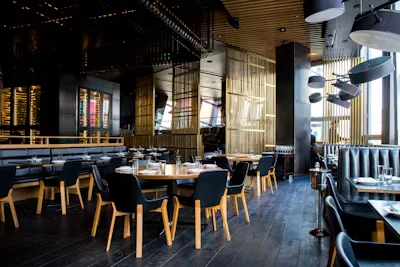
Restaurants & Bistros
Fine dining, casual dining, and independent eateries.
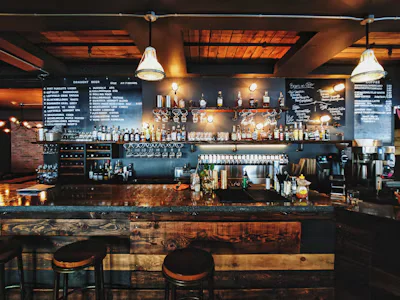
Bars, Pubs & Clubs
Wet & dry sales reconciliation, cellar controls & licensing.

Cafés & Coffee Shops
Counter service, daily trading controls & high volume.

Takeaways & Delivery
Platform commissions & delivery margin optimization.

Hotels & Guesthouses
Room revenue, occupancy tracking & departmental P&Ls.
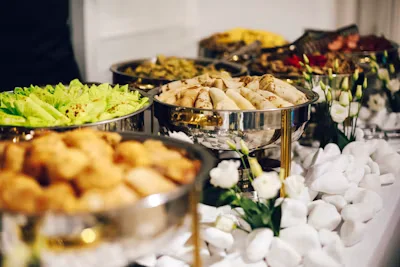
Event Catering
Job costing, equipment hire & event margin planning.
Take the Next Step
A 15 - Minute Discovery Call
We’ll understand how your hospitality business currently handles its bookkeeping, identify where your records could be improved and explain how F&A can support you.
- No Obligation
- Free Margin Review
- Clear Fixed Proposal
- Tailored Advice
Frequently Asked Questions
What does hospitality bookkeeping include?
Hospitality bookkeeping can include sales recording, purchase invoices, bank reconciliation, EPOS reconciliation, delivery platform reconciliation, supplier records, expense tracking, VAT records and month-end bookkeeping.
Why do hospitality businesses need specialist bookkeeping?
Hospitality businesses have financial processes that can be more complex than standard bookkeeping. Daily takings, mixed payment methods, delivery platforms, supplier invoices, stock, food costs, labour costs and different VAT treatments all need to be recorded accurately.
How often should restaurant bookkeeping be done?
The frequency depends on the size and transaction volume of the business, but hospitality bookkeeping benefits from regular reconciliation rather than leaving everything until month-end or year-end. Daily sales and payment reconciliation can help identify discrepancies while they are still easy to investigate.
Can you reconcile our EPOS with the bank?
Yes. We can reconcile EPOS takings, cash, card settlements and bank transactions to identify differences and keep your reported sales accurate.
Can you reconcile Deliveroo, Uber Eats and Just Eat?
Yes. Delivery platform bookkeeping can include reconciling sales, platform payouts, commissions, refunds and other adjustments so that your books reflect the underlying transactions rather than simply recording the net bank payment.
Can hospitality bookkeeping help us control food costs?
Yes. Accurate purchase, stock and wastage records can help you understand food costs, cost of goods sold and gross margins. This gives you better information for reviewing supplier prices, wastage and overall profitability.
Can you help with VAT records for our restaurant or café?
Yes. We can maintain the financial records needed to support VAT reporting, including sales and purchase records and reconciliation across different hospitality revenue streams. The VAT treatment of hospitality sales can vary depending on what is sold and how it is supplied, so accurate records are important.
Do you provide bookkeeping for cafés and takeaways?
Yes. We provide bookkeeping support for restaurants, cafés, hotels, takeaways, catering businesses and food trucks, adapting the bookkeeping process to the sales channels and operational structure of each business.
Can you take over our existing bookkeeping?
Yes. We can review your existing records, understand your current systems and take over the ongoing bookkeeping and reconciliation work where appropriate.
What is the difference between a hospitality bookkeeper and an accountant?
A bookkeeper focuses on keeping financial records accurate, current and reconciled. An accountant can then use those records for accounts preparation, tax, compliance, management reporting and financial advice. For hospitality businesses, having bookkeeping that properly captures EPOS sales, platform payouts, supplier costs and other operational information gives the accountant a much stronger foundation to work from.