
- Hospitality EPOS Integration
Seamless Restaurant EPOS Integration for Accurate Accounting
Your EPOS system records daily sales, but those figures still need to match your accounting records and payment settlements. F&A Accountants help hospitality businesses connect EPOS information with their accounting processes, reconcile sales and and improve the reliability of daily revenue reporting.
- Fixed Monthly Fees
- Dedicated Client Manager
- Hospitality Specialists
- Cloud-Based Accounting
- Daily & Weekly Reporting
- HMRC Compliance
- Tailored for Hospitality
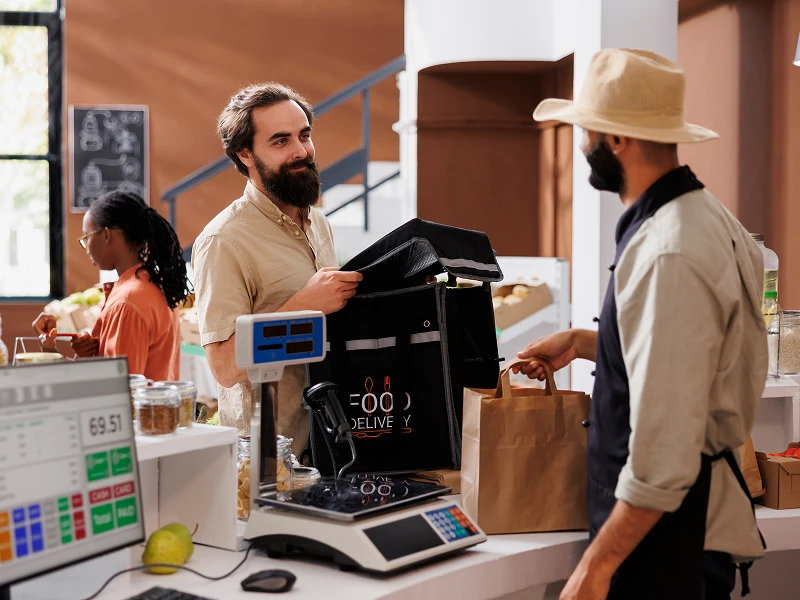
- Daily Sales Reconciliation
- VAT & Revenue Breakdown Review
- EPOS Discrepancy Checks
- 15-Minute Financial Pulse Check
Certified Partners With Major Accounting & Hospitality Tech


EPOS & Accounting Challenges Facing
EPOS systems capture daily transactions, but sales reports, payment settlements and accounting records may not always agree. Without a consistent reconciliation process, differences can remain unexplained.

Manual Sales Data Entry
Re-entering daily sales figures into accounting software can create duplication, delays and avoidable data-entry errors.
Differences Between Sales and Bank Receipts
EPOS sales totals may differ from bank deposits because of card settlement timing, payment fees, refunds or other adjustments. These differences need to be reconciled correctly.
Unmatched Cash and Card Payments
Cash takings, card transactions and other payment methods need to be recorded and checked against the appropriate records to establish whether sales have been accounted for.
Refunds and Voids Not Properly Matched
Refunds, cancelled transactions and voided sales can affect reported revenue. Missing or incorrectly recorded entries can create discrepancies between EPOS and accounting figures.
Inconsistent VAT and Sales Categories
Sales may include different products, services or VAT treatments. Incorrect mappings between EPOS categories and accounting codes can affect financial records and VAT reporting.
Delayed Financial Reporting
When EPOS data is not reconciled promptly, accounting records may fall behind actual trading activity, making it harder to review revenue and identify issues.
Our EPOS & Accounting Integration Services
Our EPOS accounting integration support focuses on improving the flow and reconciliation of sales information between your point-of-sale system and accounting records. The exact scope depends on your systems, data access and existing setup.
EPOS and Accounting System Review
Understand how your current systems record and transfer sales information.
- Review your EPOS reports and accounting processes
- Identify available integration or data-export options
- Assess how sales categories map to accounting codes
Daily Sales Reconciliation
Check whether reported sales agree with the figures entered into your accounts.
- Compare EPOS daily sales summaries with accounting entries
- Review sales totals, refunds and voids
- Investigate material differences using supporting records
Cash and Card Payment Reconciliation
Understand how sales are reflected in payment records and bank receipts
- Compare recorded cash takings with available cash records
- Match card settlement reports to bank receipts
- Account for payment fees and settlement timing where information is available
VAT and Revenue Mapping Review
Help ensure sales information is categorised appropriately in the accounting records
- Review sales categories and relevant VAT codes
- Check how EPOS summaries are transferred to accounting records
- Flag inconsistencies that may require correction or further review
EPOS Discrepancy Investigation
Identify differences that need further explanation.
- Review missing, duplicated or incorrectly recorded entries
- Investigate discrepancies involving refunds, voids and payment adjustments
- Record findings and identify entries that may need correcting.
Accounting Workflow and Reporting Improvements
Help establish a more consistent process for handling EPOS data
- Review opportunities to reduce duplicate data entry
- Improve the process for transferring and checking sales summaries
- Support clearer daily revenue reporting using reconciled information
- Value Added Accounting
Where Hospitality Accounting
Good management accounts should do more than show you a set of figures. We review your financial performance, track the costs that matter and compare your results over time, so you can understand what is happening in your business and make decisions with confidence.
Track Your Food Costs
Benefit: You can spot rising costs earlier, protect your margins and make better decisions about suppliers and pricing.
Specialist: We review your food costs, supplier costs and gross margins to help you understand how much you are spending to generate your sales.
Monitor Labour Costs
Benefit: You can see whether staffing costs are affecting your profitability and identify where better cost control may be needed.
Specialist: We analyse your labour costs, payroll and staffing expenses against your revenue and previous periods.
Review Your Overheads
Benefit: You get a clearer view of where your money is going and can identify unnecessary or increasing costs.
Specialist: We track your rent, utilities, delivery commissions, subscriptions and other operating expenses as part of your management accounts.
Compare Your Sales Performance
Benefit: Helps you plan for major payments and identify potential shortfalls earlier.
Specialist: We compare your revenue and sales performance against previous periods, budgets or forecasts to highlight important changes.
Analyse Your Profit Margins
Benefit: You get a clearer picture of your true financial performance and can focus on the areas that have the biggest impact on profit.
Specialist: We review your gross profit, net profit and profit margins to show how your revenue translates into actual profitability.
Give You Regular Financial Visibility
Benefit: You have current financial information available when making decisions about pricing, staffing, spending, cash flow and business growth
Specialist: We prepare monthly management accounts that bring together your revenue, costs, cash flow and profitability in one clear report.
Who Is It For?
Our restaurant EPOS integration and accounting reconciliation support is suitable for hospitality businesses that process regular sales through point-of-sale systems.
Restaurant owners Reconcile dine-in sales, refunds, discounts, card payments and cash takings.
Café businesses Match daily till reports with accounting entries and payment receipts.
Hotels Review EPOS sales from relevant food, beverage or other point-of-sale outlets where applicable.
Takeaway businesses Reconcile counter sales, delivery platform reports and related payment settlements where records are available.
Catering businesses Match event or trading-day sales summaries against recorded payments.
Hospitality groups Review sales and accounting records across locations where consistent reporting is available.
How Our EPOS & Accounting Integration Process Works
Review Your Existing Systems
We assess your EPOS reports, accounting software, payment records and current reconciliation process to understand how your data is recorded and transferred.
Match Sales and Payment Records
We compare available sales summaries, payment settlements, bank receipts and accounting entries to identify differences that need investigation.
Improve the Reconciliation Process
We explain the findings and recommend practical improvements to your accounting workflow, data mapping and regular sales checks. Any technical integration depends on system compatibility and the agreed scope.
- Hospitality Sectors We Serve
Specialist Support For Every Type

Restaurants & Bistros
Fine dining, casual dining, and independent eateries.

Bars, Pubs & Clubs
Wet & dry sales reconciliation, cellar controls & licensing.

Cafés & Coffee Shops
Counter service, daily trading controls & high volume.

Takeaways & Delivery
Platform commissions & delivery margin optimization.

Hotels & Guesthouses
Room revenue, occupancy tracking & departmental P&Ls.

Event Catering
Job costing, equipment hire & event margin planning.
Take the Next Step
A 15 - Minute Discovery Call
Discuss your current EPOS setup and the accounting issues you want to resolve. We’ll help improve your accounting processes.
- No Obligation
- Free Margin Review
- Clear Fixed Proposal
- Tailored Advice
Frequently Asked Questions
What is EPOS and accounting integration?
EPOS and accounting integration connects point-of-sale data with accounting software so that sales information can be transferred and recorded more efficiently. Depending on the systems involved, data may sync automatically or require an export and import process.
Why should restaurants integrate EPOS with accounting software?
Integration can reduce manual data entry and help maintain consistent sales records. It also supports the reconciliation of revenue, refunds, payment settlements and VAT information, subject to the capabilities of the systems used.
Can EPOS data be reconciled with bank payments?
Yes. EPOS sales reports can be compared with payment processor settlement reports and bank receipts. Differences may arise from fees, refunds, settlement timing or other adjustments, so they should be investigated rather than assumed to be errors.
Does EPOS integration improve VAT reporting?
It can help maintain more consistent sales records and VAT breakdowns, provided the EPOS categories, tax codes and accounting mappings are configured correctly. Integration alone does not guarantee that VAT treatment is correct.
What causes differences between EPOS sales and accounting records?
Common causes include missing or duplicated entries, incorrect sales mappings, refunds, voids, payment fees, settlement timing and manual data-entry mistakes. The underlying records need to be reviewed to establish the reason for each difference.